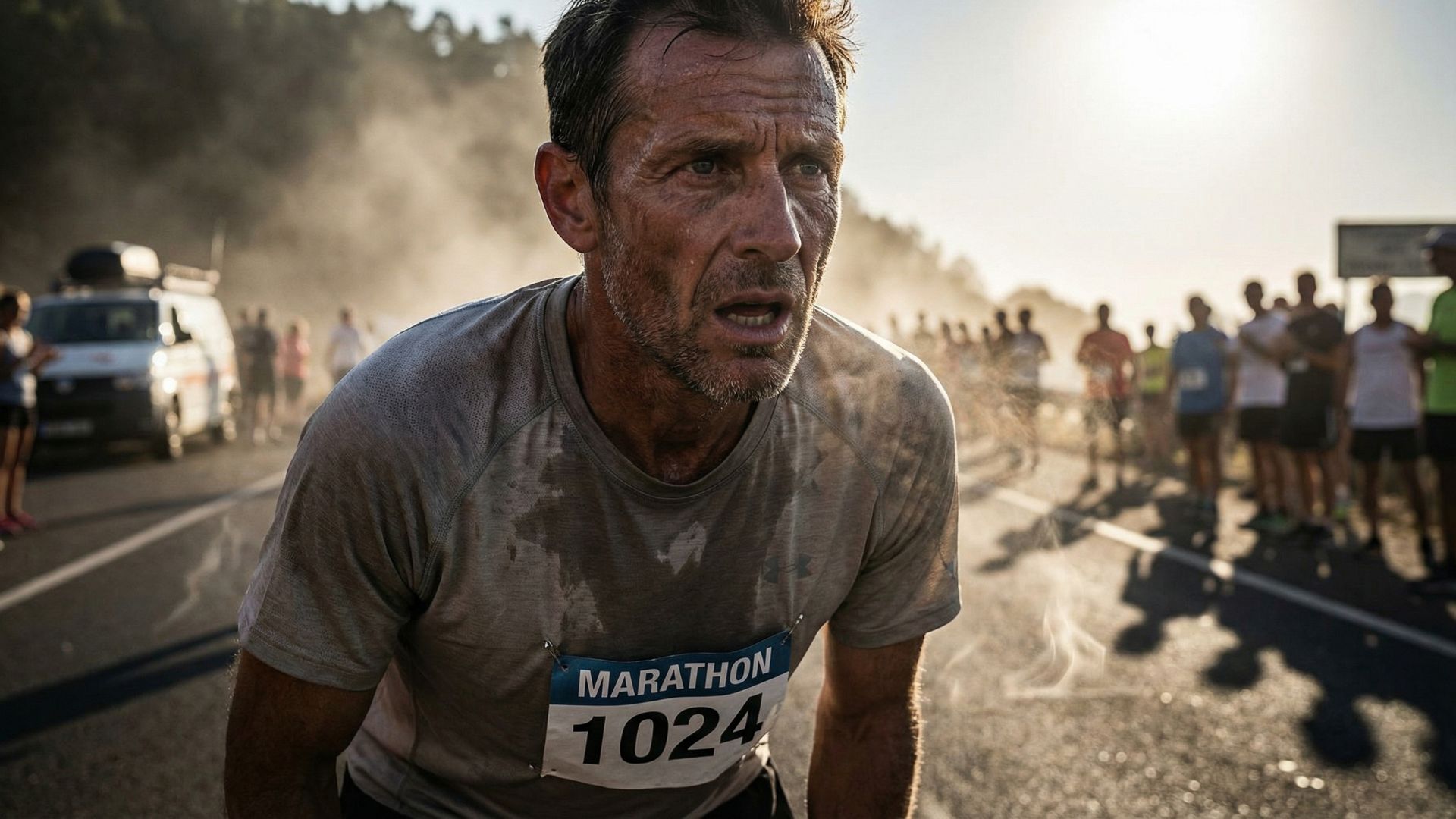
Two dreaded words among runners: heat and humidity. Race day is the execution of all your training efforts, making it crucial to prepare for varied weather conditions. The Berlin Marathon 2025 exemplified this challenge4a typically fast course became gruelling due to unexpected heat, forcing even elite runners to focus on completion rather than personal records.
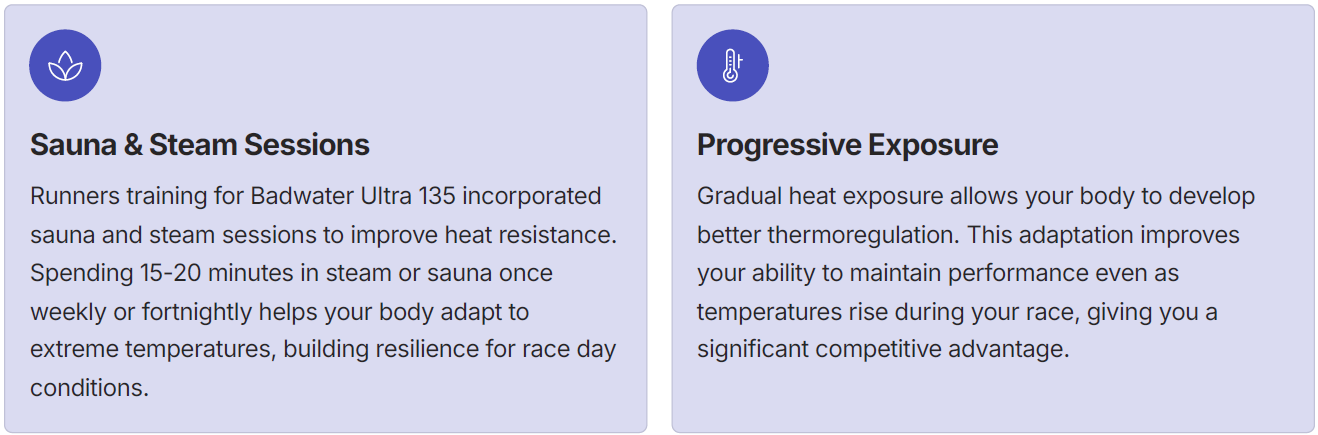
As humans, our greatest strength is our ability to adapt to any weather condition. However, when we train specifically for these conditions, adaptation becomes significantly easier. The following strategies will help you prepare for hot and humid marathons, ensuring your body is ready to perform when it matters most.
SIMULATE RACE CONDITIONS
Train at Marathon Start Time
Most runners in India train early morning to avoid traffic, but marathons often extend into hotter hours. Indian marathons typically start at 5am with courses open until 11am, meaning you will inevitably run under the sun. International races often start even later.

At least once weekly, schedule runs around 9am or 10am when the sun is sharp. This deliberate exposure helps your body adapt to running in heat, preparing you for the conditions you'll face during the latter portions of your race.
HEAT ADAPTATION TRAINING
HYDRATION STRATEGY
OPTIMAL RACE DAY CLOTHING
Smart Fabric Choices
Wear light-coloured clothes or singlets to minimize heat absorption. Light colours reflect sunlight rather than absorbing it, keeping your body temperature lower. Dark-coloured clothing can significantly increase heat stress during your race.
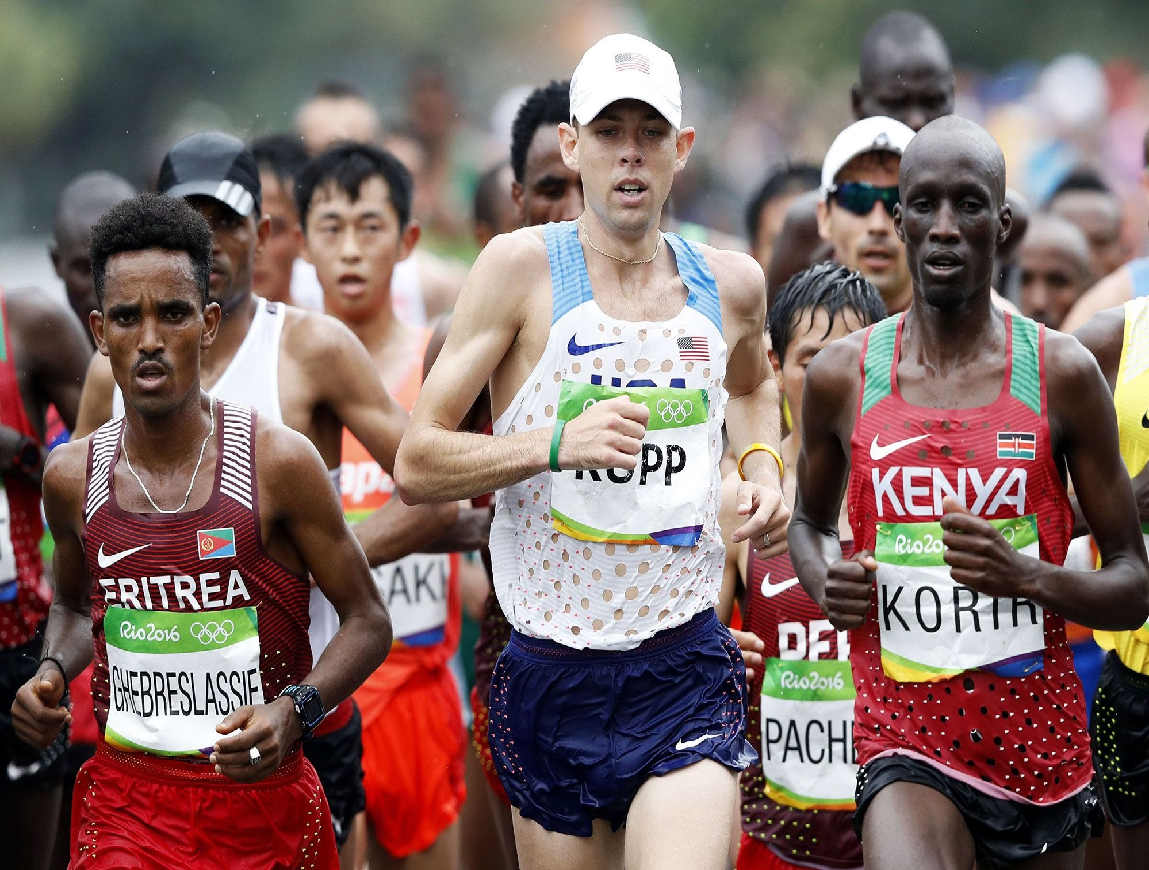
A white cap with ventilation and comfortable sunglasses provides additional protection. The cap shields your head from direct sun while allowing heat to escape, and sunglasses reduce glare and eye strain during long hours on the course.

SOCK SELECTION & COOLING TECHNIQUES
Right Socks Matter
Many runners sweat profusely, with perspiration dripping down legs and saturating shoes. Choose socks that resist sweat penetration into your shoes, preventing blisters and maintaining comfort throughout your race. Test different options during training to find what works best for you.
Proper Cooling Method
Use wet sponges or water on your shoulder blades and neck4not directly on your head. Sudden cold on the head drops body temperature too quickly, potentially shocking your system. Apply approximately 100ml of water to shoulder blades at aid stations. Practice this technique during training runs.
MASTER HEAT & HUMIDITY
Incorporating these strategies into your training regimen will dramatically improve your ability to handle heat and humidity on race day. Remember, adaptation does not happen overnight4consistent practice of these techniques builds the resilience you need.
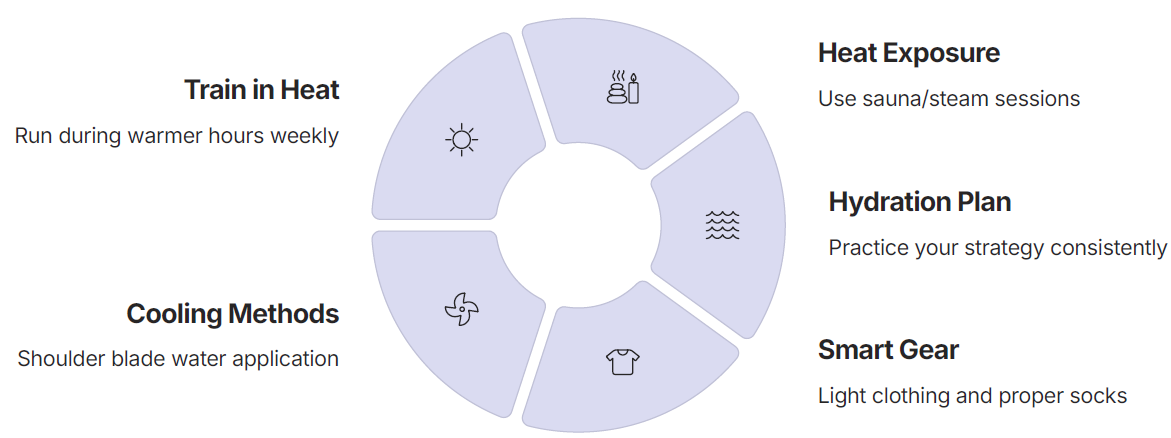
Your greatest strength as a human is your ability to adapt. Train for the conditions you will face, and race day heat and humidity will become manageable challenges rather than insurmountable obstacles. Start implementing these strategies today for your next marathon success.